

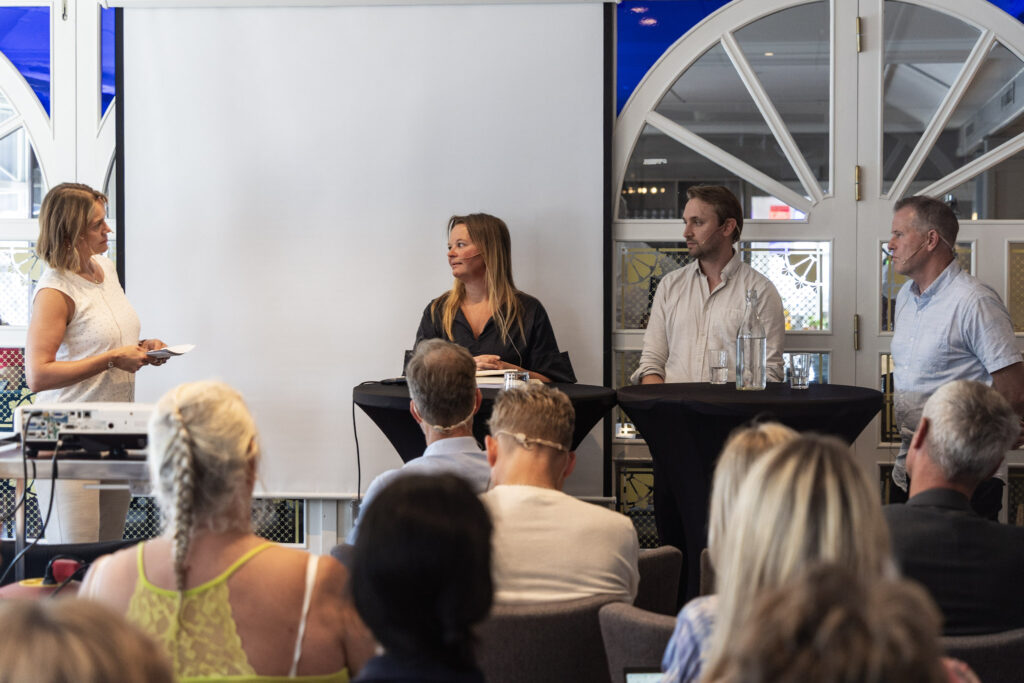
AI-Mind joins national debate on Alzheimer’s care in Norway
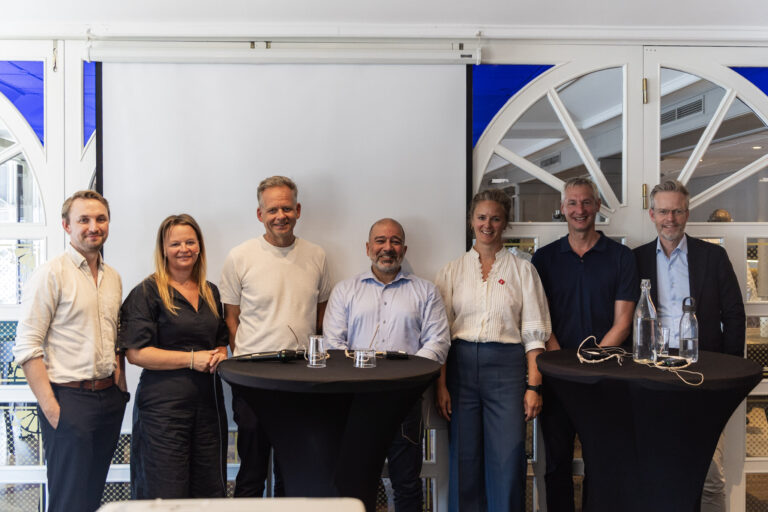
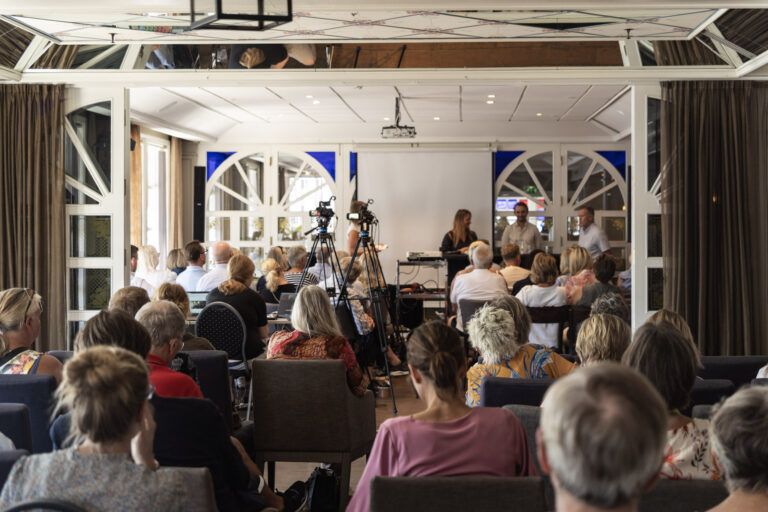
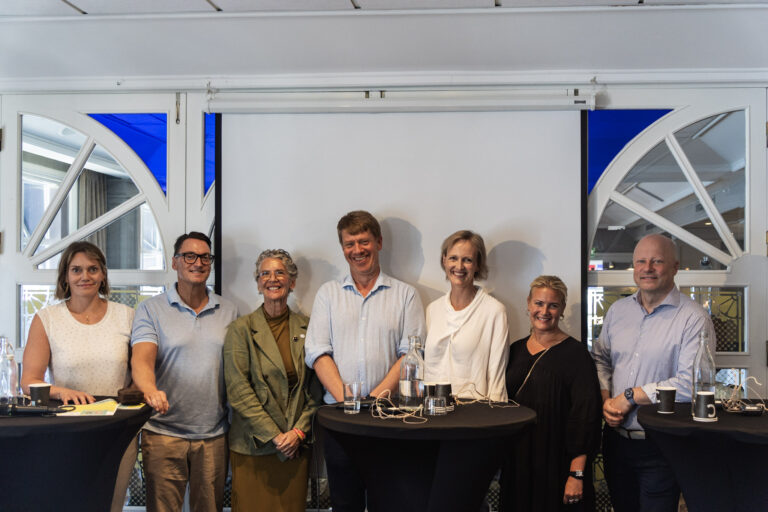
On 13 August, AI-Mind took part in Arendalsuka, Norway’s annual national forum for politics, business and society, contributing to the session Community mission Alzheimer’s – New knowledge and early treatment can improve lives.
The cross-sector event, co-organised by BioArctic, Eisai, AI-Mind and Roche Diagnostics, brought together clinicians, health economists, patient and caregiver representatives, industry leaders and policymakers to discuss how Norway can prepare for earlier diagnosis and emerging treatments for Alzheimer’s disease.

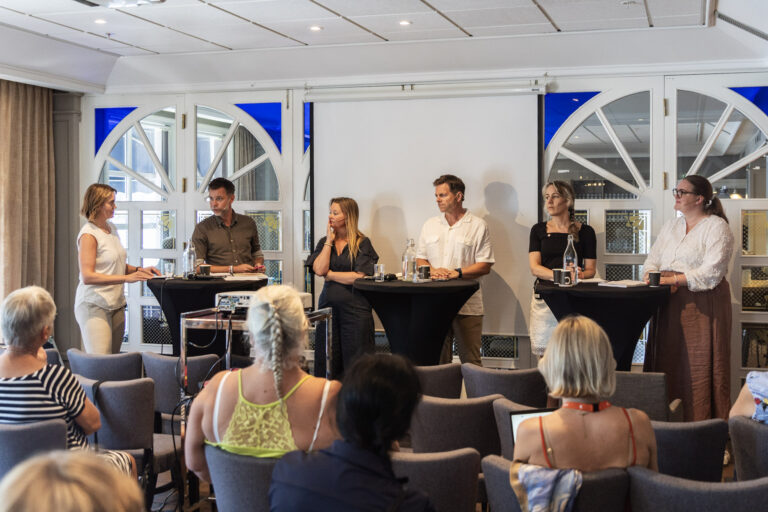

Clarifying definitions that shape care
Representing AI-Mind, Vebjørn Andersson explained the critical difference between Alzheimer’s disease (the underlying pathology) and Alzheimer’s dementia (the clinical stage). This distinction is more than academic – it directly affects patient pathways, legal rights and treatment options. Clear terminology is essential as Norway moves toward earlier detection and precision medicine.
From patient voices to political priorities
The programme highlighted patient and caregiver experiences, advances in next-generation diagnostics and therapies, and lessons from oncology. Discussions focused on what municipalities and hospitals need to implement personalised care pathways.
The day concluded with a political debate addressing the priorities for Norwegian health policy:
- Early and accurate diagnostics
- Secure and well-governed health data
- Fair access to emerging treatments
Why does it matter?
With an ageing population, Norway faces growing challenges in dementia care. Earlier and more precise diagnosis not only improves quality of life for individuals and families, but also allows health systems to allocate resources more effectively. To achieve this, clear definitions, robust data governance and capacity across both primary and specialist care are vital.
By engaging with policymakers, regulators, clinicians and patient representatives, AI-Mind helps build the shared understanding and concrete steps needed to move from research to routine care in Alzheimer’s disease.